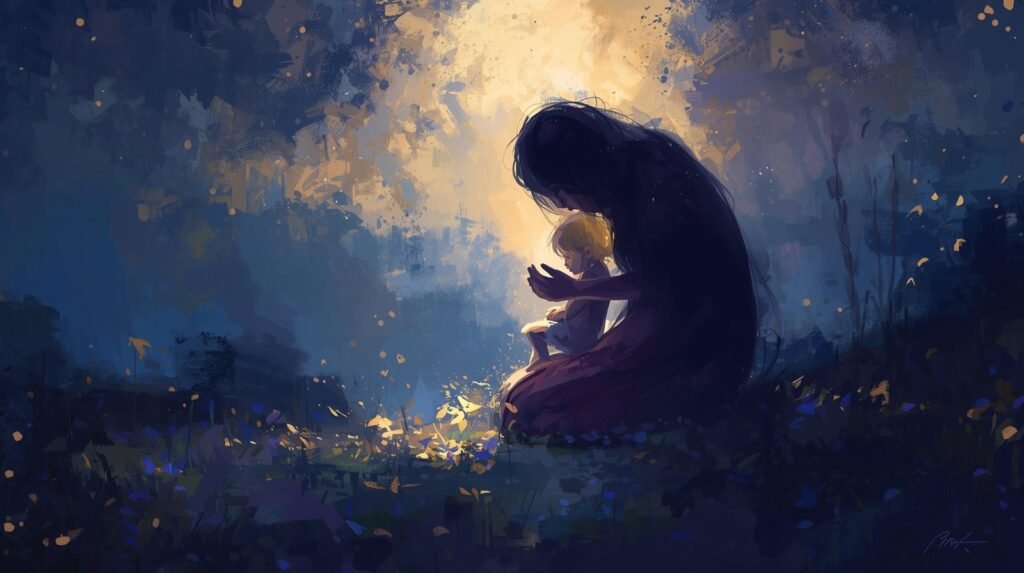
Shadow work—coined by Carl Jung—refers to the process of exploring and integrating the hidden or suppressed parts of ourselves. In spiritual communities, shadow work has exploded in popularity because people are recognizing that bypassing pain doesn’t lead to enlightenment. True spiritual growth involves facing our wounds with compassion and bringing light to the dark corners of the psyche.
The “shadow” includes traits, memories, and emotions we’ve disowned because they were deemed unacceptable or too painful. Left unaddressed, these aspects manifest as triggers, self-sabotage, or projections onto others. Inner child healing is a related practice that focuses on reconnecting with the younger, vulnerable parts of ourselves that still hold unresolved pain or unmet needs.
This trend reflects a larger shift from “love and light” spirituality toward a more integrated approach. Rather than striving to be “perfectly positive,” people are embracing authenticity and emotional honesty. The rise of trauma-informed therapy, somatic healing, and online workshops has also contributed to the accessibility of shadow work.
Common practices include journaling prompts, dialoguing with your inner child, guided meditations, and working with a therapist or coach. Creative expression—art, movement, or voice work—can also help release and integrate suppressed feelings. The goal isn’t to eliminate the shadow but to accept and integrate it, transforming it into a source of wisdom and power.
Spiritually, shadow work aligns with the concept of wholeness. As we reclaim the parts of ourselves we’ve rejected, we become more compassionate toward others and more grounded in our humanity. This integration often leads to profound inner freedom and a stronger sense of self. By healing the past, we create space for a more authentic, empowered future.